Where older adults live should not determine how connected they are to healthcare. Yet in rural communities, geography can become a very real barrier. Nearly 800,000 Arizonans live in rural areas, where long travel distances, healthcare workforce shortages, limited specialist access, and fragmented systems can make consistent care more difficult to receive.
Research cited in our latest grant application also shows that rural Medicare beneficiaries can experience greater emergency department and hospital use while receiving less home health and rehabilitation care than their urban counterparts.
That challenge is the focus of a new grant proposal submitted by Integrated Senior Foundation (ISF) under the Arizona Health Care Cost Containment System (AHCCCS) Telehealth Digital Transformation, Adoption, and Care Coordination Grant opportunity. If awarded, Ativo Home Care AZ LLC would support the initiative by providing boots-on-the-ground care and services to help bring the program directly to participants.
The goal is ambitious but straightforward: use technology to help rural older adults remain safely connected to care, caregivers, and family while continuing to age in place.
Distance Is Only Part of the Problem
For an older adult living in a rural community, a doctor’s appointment may require far more than setting aside an hour. Transportation, caregiver availability, specialist shortages, technology access, and long driving distances can all stand between someone and the care they need.
Those challenges become especially important after a hospitalization or when an older adult and caregiver are managing multiple chronic conditions or medications. The grant application highlights gaps affecting rural residents who are aging in place, including specialist access, post-hospital follow-up, remote monitoring, and information sharing among hospitals, primary care providers, home health teams, patients, and families.
What if a caregiver’s valuable day-to-day insights could follow an older adult into the emergency room, giving clinicians a clearer picture when it matters most?
What if language differences did not have to create gaps in understanding, and technology could help ensure important information was not lost in translation?
What if remote monitoring could help care teams better understand how someone is doing in everyday life after an emergency room visit?
What if smarter care coordination could match caregivers based not only on availability, but also on distance, qualifications, language, and the unique needs of the person receiving care?
And what if families—whether they live ten miles away or a thousand—could remain more meaningfully connected to the care of someone they love who chooses to age in place?
The proposal explores how these pieces could begin working together. That could mean better information sharing across care settings, stronger connections between hospitals and the home, and thoughtfully designed AI tools that support—rather than replace—the judgment of caregivers and healthcare professionals.
Bringing Additional Support Into the Community
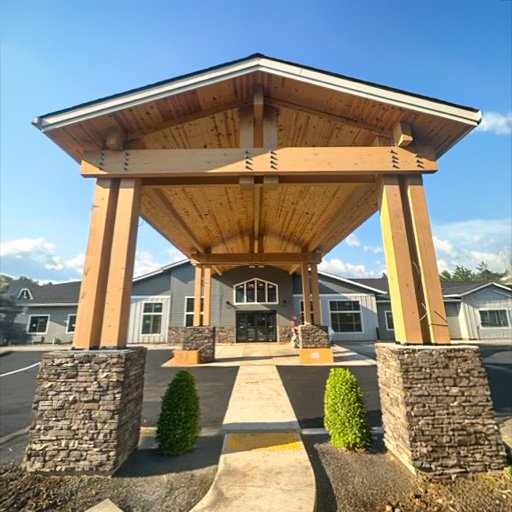
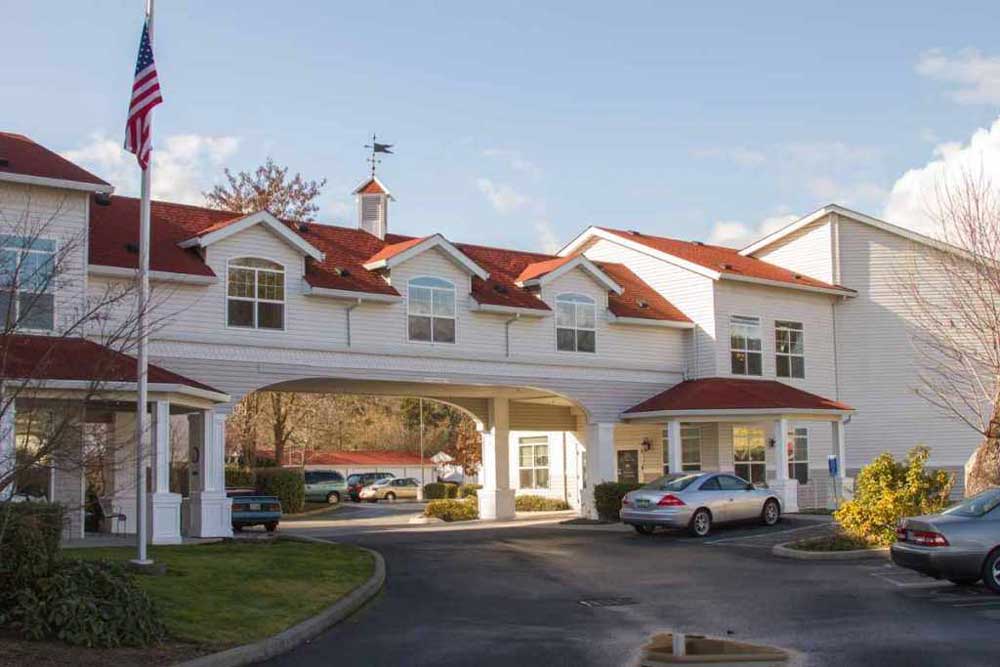
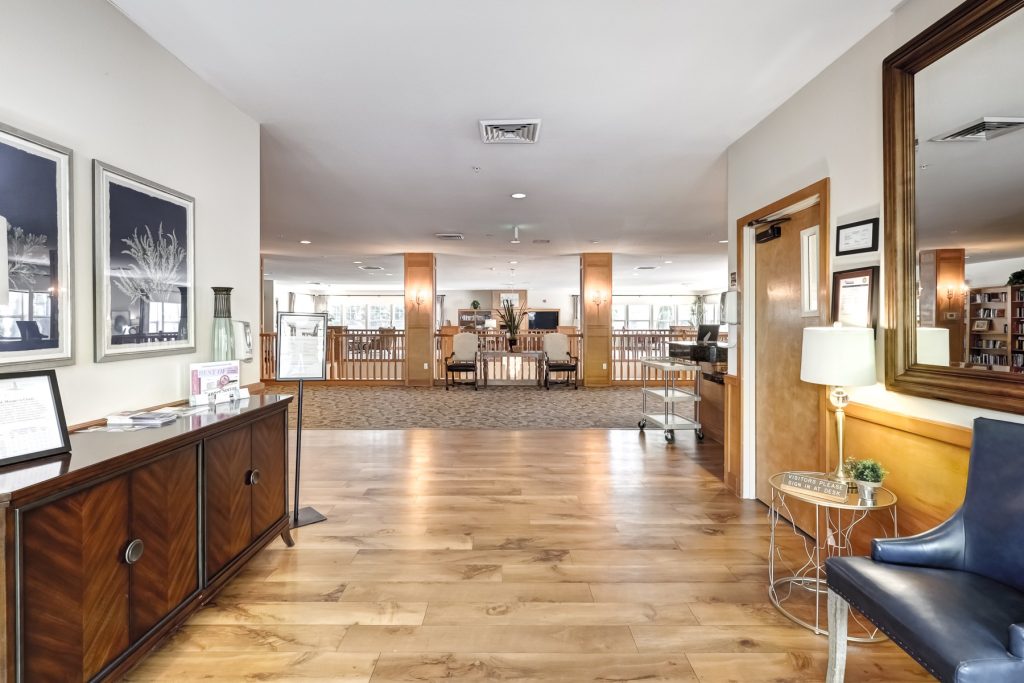
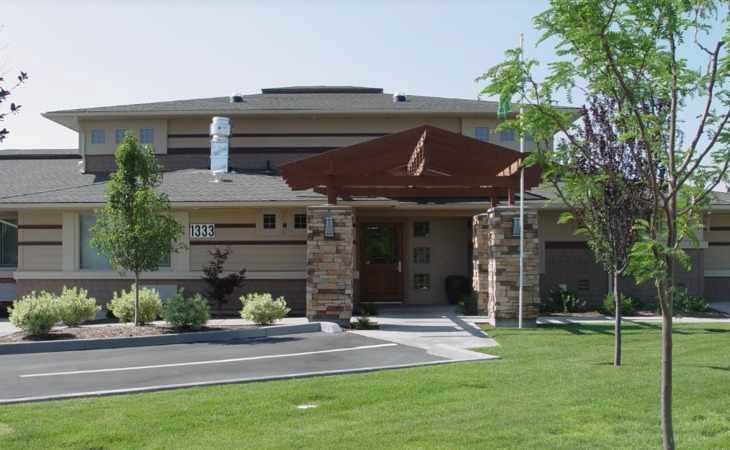
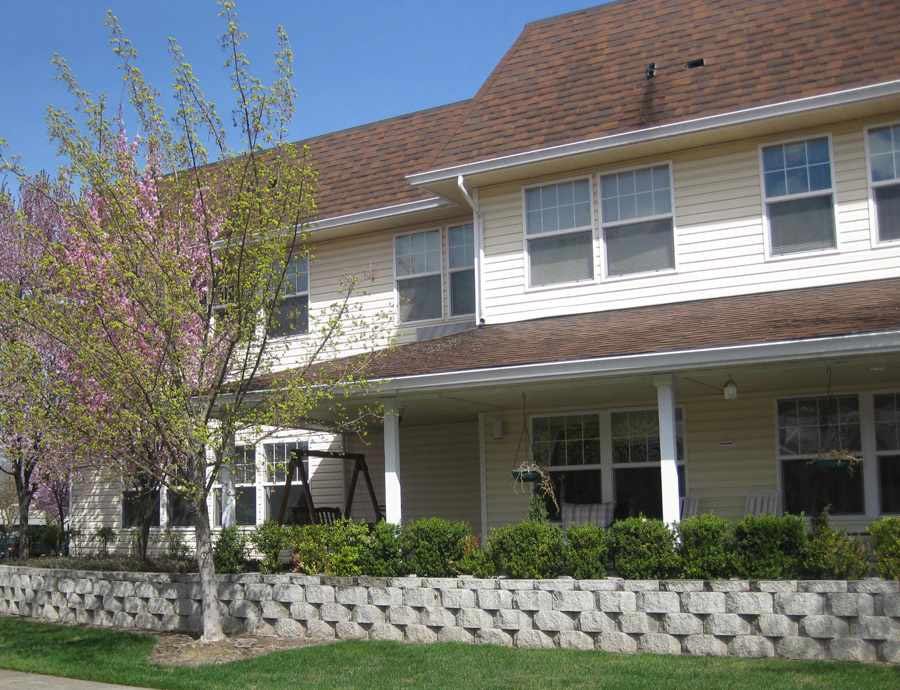
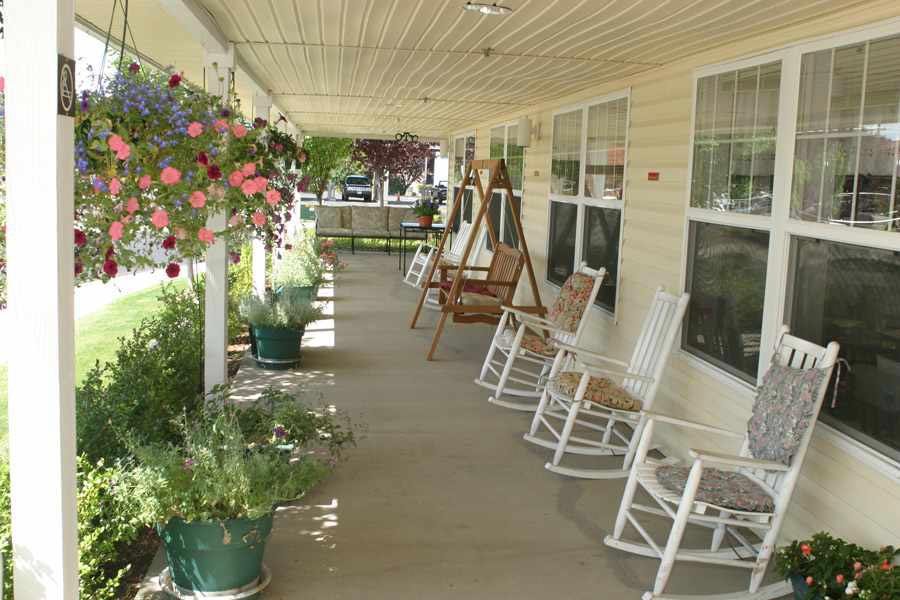
Some communities managed by Insight Living offer home care services within the community for residents who need a little extra support while maintaining their independence.
This option can be especially valuable for Independent Living residents who may benefit from help with select daily activities but do not require the full level of support provided in Assisted Living. Services can be tailored to individual needs, giving residents access to additional assistance without requiring an immediate transition to a different living arrangement.
By making home care available within the community, residents can continue enjoying the routines, relationships, and independence they value while receiving added support when needed. Families also gain greater peace of mind knowing that changing needs can be addressed in a familiar environment.
This flexible approach reflects a broader commitment to meeting older adults where they are—whether they are aging in their own homes or living independently within a senior living community.
Building a More Connected System Around the Person
This grant application is an opportunity to explore what a more connected model of rural home care could look like, and it reflects ISF’s broader mission of enriching the lives of older adults by rebuilding the system around them.
Instead of asking older adults to navigate a fragmented network of providers, caregivers, technology, and family support, the proposal asks how those pieces might be connected around the person who chooses to age in place.
By exploring how data, applied technology, families, caregivers, and healthcare partners could work together, we hope to better understand what it takes to make high-quality home care more connected, sustainable, and accessible—despite the distance.
Distance may be a reality of rural life. Disconnection does not have to be.